
Why On-Site Engineering Still Matters in a Cloud-First World
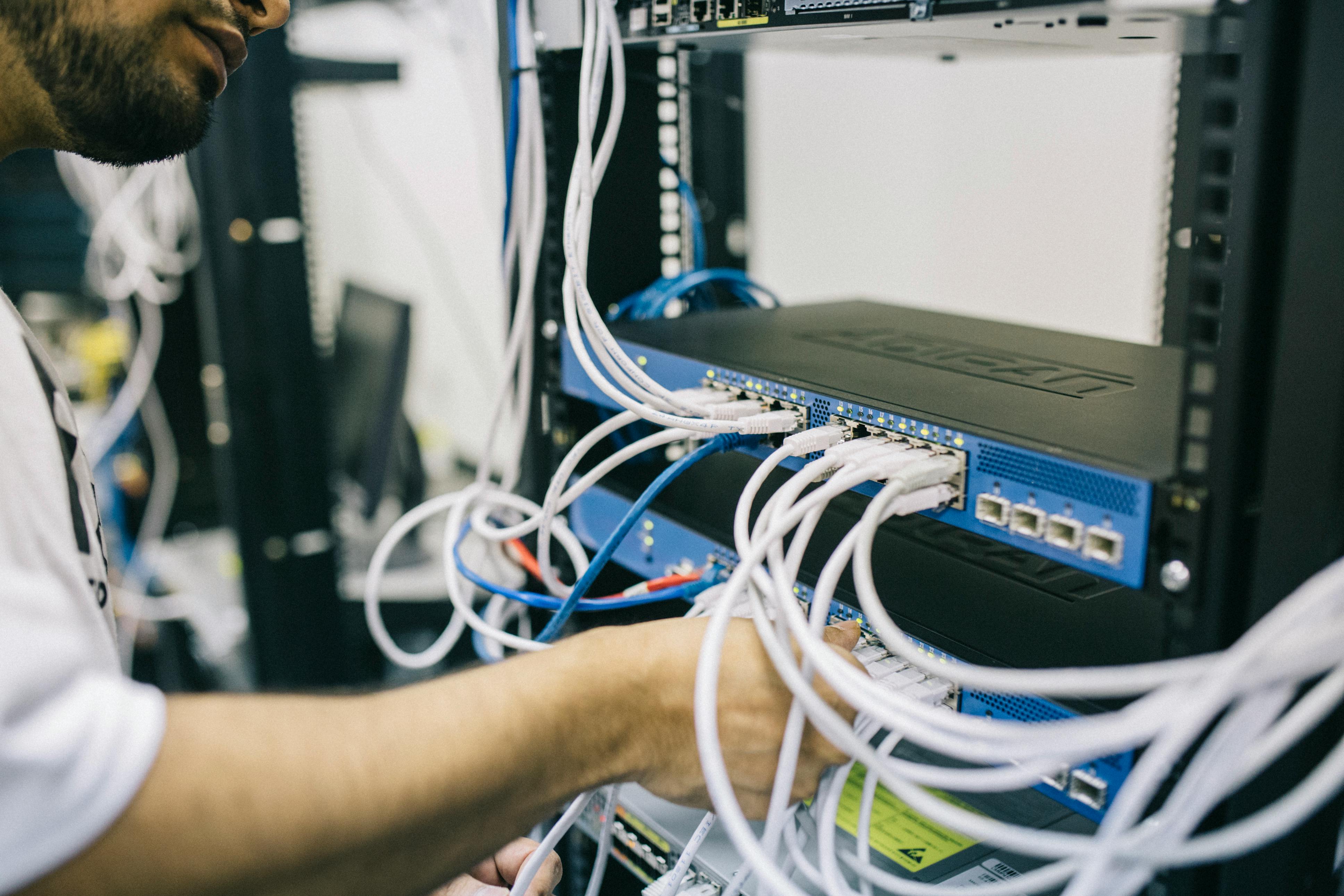
For years, IT strategy has been dominated by one idea: remote first. Cloud platforms, centralised management tools and remote monitoring have transformed how organisations operate, and rightly so.
But despite all this progress, one truth hasn’t changed:
You can’t install, move or fix physical infrastructure remotely.
When networks underpin live, physical operations, on-site engineering remains critical. And for many organisations, relying on remote-only support creates hidden risk, delay and cost.
The myth of “remote solves everything”
Remote tools are excellent for monitoring, configuration and diagnostics. They can identify problems quickly and, in some cases, resolve them without anyone setting foot on site.
But when issues involve physical hardware, power or cabling or equipment failure, or environmental interferences, remote access alone simply isn’t enough.
At that point, progress stops until someone with the right skills is physically present.
What actually fails on live sites
In operational environments, problems rarely exist in isolation. A Wi-Fi issue might be caused by racking installed after go-live. A firewall fault might stem from a rushed install. A network outage might be traced back to damaged cabling or environmental change.
Common on-site issues include:
- Poor or inconsistent installations
- Incorrect mounting or positioning of equipment
- Cabling faults or degradation
- Hardware swaps delayed by logistics or resource
- Break-fix incidents where speed is critical
These aren’t theoretical problems, they’re the day-to-day realities of running live sites.

The real cost of delay
When an engineer can’t get to site quickly, the impact is felt immediately. Sites sit idle, operations slow down and staff can’t work effectively. This has a knock-on effect as customer experience suffers.
For multi-site organisations, delays compound quickly. A single issue replicated across multiple locations can become a significant operational risk.
This is where reliable, nationwide Field Services make the difference.
When on-site engineering is essential
Field Services are most valuable when speed, consistency and accountability matter.
They are critical for:
- Hardware installations and swaps
- Network and Wi-Fi deployments
- Fault investigation and break-fix
- Multi-site rollouts
- Site closures and decommissioning
The key isn’t having engineers everywhere all the time, it’s having access to the right engineers when you need them.
Nationwide coverage without the overhead
Maintaining in-house engineers across the UK is expensive and difficult to scale. Travel time, recruitment, training and idle capacity all add cost without always adding value.
Using nationwide Field Services allows organisations to:
- Reduce permanent headcount pressure
- Respond faster to site issues
- Maintain consistent delivery standards
- Scale support up or down as needed
You get practical, hands-on engineering, without carrying the full operational burden.
Built for real-world environments
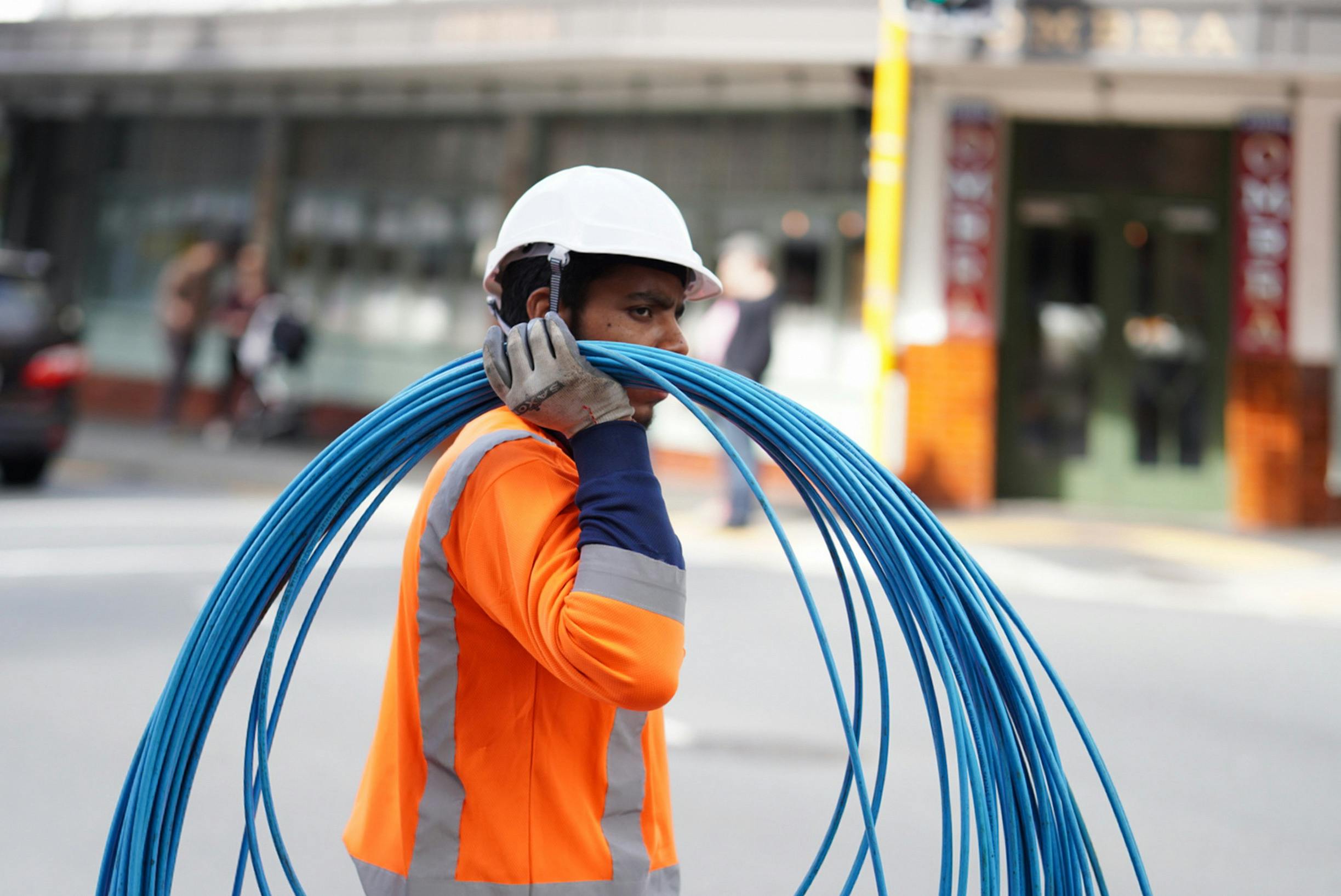
Live sites don’t behave like offices. Construction compounds, warehouses, manufacturing floors and public venues all introduce constraints that remote support can’t account for.
Experienced field engineers understand how to work safely in live environments and minimise disruption. They can adapt to site constraints and deliver work efficiently and professionally.
That experience matters.
Final thought
Cloud and remote tools are powerful, but they are only part of the picture.
When technology meets the physical world, on-site engineering is what keeps things moving. The organisations that recognise this early are the ones that avoid downtime, reduce risk and keep operations running smoothly.
